
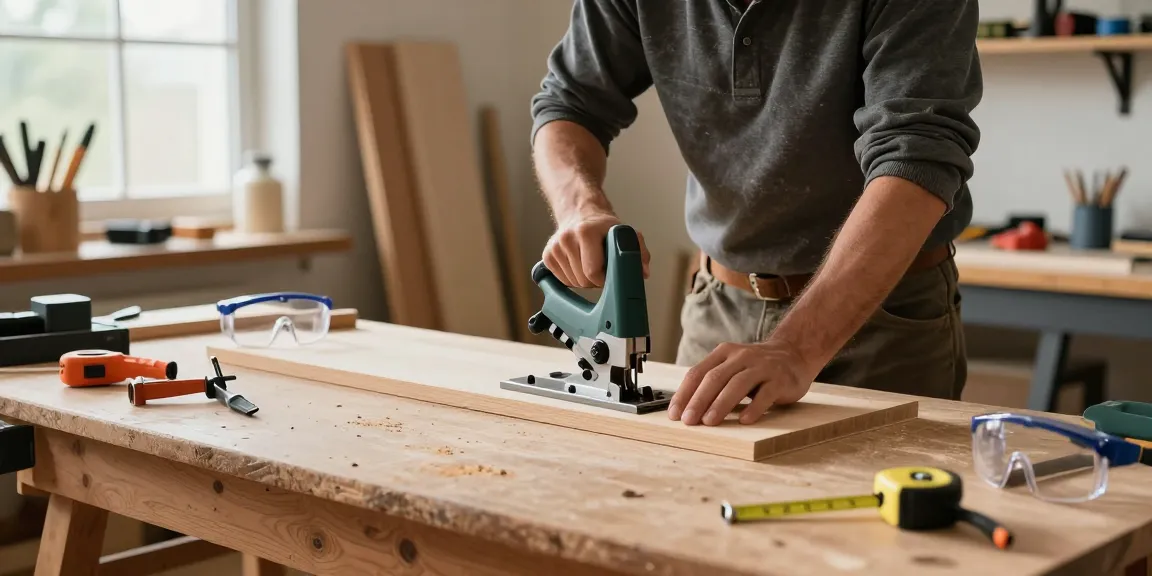
Understanding the Hand Mitre Saw: Basics and Benefits
In the world of woodworking and DIY projects, precision and efficiency are paramount. Among the essential tools that cater to those needs is the hand mitre saw. A hand mitre saw is a versatile, manual tool that allows users to make precise angled cuts in wood and other materials. Whether you're a professional carpenter or a DIY enthusiast, understanding the intricacies of this tool is crucial for achieving high-quality results. In this article, we will explore the basics of hand mitre saws, their key benefits, and how they operate, ensuring that you have the insights necessary to incorporate this tool effectively into your woodworking projects. When exploring options, hand mitre saw provides comprehensive insights into the various models available on the market.
What is a Hand Mitre Saw?
A hand mitre saw is a manual tool designed for making precise crosscuts and angled cuts in wood. It typically consists of a saw blade mounted on a hinge that can pivot to different angles, allowing users to create cuts ranging from 0 to 45 degrees. This adaptability makes it an indispensable tool for framing, molding, and other intricate joinery tasks. Hand mitre saws are favored for their portability and ease of use, making them accessible even for those who may not have the experience or tools typically associated with power saws.
Key Benefits of Using a Hand Mitre Saw
There are several advantages to using a hand mitre saw over its power counterparts. Here are a few notable benefits:
- Precision: Hand mitre saws allow for greater control during cutting, enabling users to achieve clean, accurate angles.
- Portability: They are lightweight and easy to transport, making them ideal for on-site projects where power sources may not be available.
- Cost-Effectiveness: Hand mitre saws are generally more affordable than power saws, making them an excellent choice for budget-conscious individuals.
- Safety: With less risk of kickback and other hazards associated with electric saws, hand mitre saws can be safer for inexperienced users.
How Does a Hand Mitre Saw Work?
The operation of a hand mitre saw is straightforward. It typically features a base or platform where the material to be cut is placed. The user can adjust the angle of the saw blade by loosening a locking mechanism, moving the blade to the desired angle, and then tightening the lock again for stability. The user then pulls the saw downwards in a controlled motion, guiding the blade through the material. This design allows woodworkers to make precise cuts, whether they are creating frames, furniture, or intricate designs.
Choosing the Right Hand Mitre Saw for Your Needs
Selecting the ideal hand mitre saw requires thoughtful consideration of your specific woodworking needs. With numerous options available, understanding the features that matter most can significantly enhance your work experience.
Features to Look For in a Hand Mitre Saw
When choosing a hand mitre saw, consider the following features:
- Blade Size: Common blade sizes range from 10 to 12 inches. Larger blades are suitable for cutting thicker materials.
- Adjustability: Look for models that offer easy angle adjustments for both miter and bevel cuts.
- Build Quality: A robust construction ensures durability and stability during operation.
- Ergonomic Handle: An ergonomic design will provide comfort during prolonged use.
Top Brands to Consider for Hand Mitre Saws
Several reputable brands are known for producing high-quality hand mitre saws. Some of the top brands to consider include:
- Stanley: Renowned for their durability and precision.
- Bahco: Offers a range of saws suited for various woodworking tasks.
- Irwin: Known for ergonomic designs and high-quality materials.
Common Misconceptions About Hand Mitre Saws
Despite their popularity, several misconceptions about hand mitre saws persist. One common myth is that they are outdated compared to power saws. In reality, hand mitre saws remain relevant due to their simplicity, portability, and accuracy. Many professionals still rely on them for precise cuts, especially in delicate projects where fine control is essential.
Utilizing a Hand Mitre Saw: Best Practices and Techniques
To maximize your efficiency and safety while using a hand mitre saw, understanding best practices is vital. Here are some valuable techniques and precautions to implement.
Safety Precautions When Using a Hand Mitre Saw
Safety should always be a priority when using any cutting tool. Here are essential safety measures to follow:
- Always wear appropriate safety gear, including goggles and gloves.
- Ensure the work area is clean and well-lit to avoid accidents.
- Secure the material you are cutting to prevent movement during the cut.
- Keep hands away from the blade while cutting.
Step-by-Step Guide to Making Accurate Cuts
For those new to using hand mitre saws, here’s a step-by-step guide:
- Measure and mark the cut location on your material accurately.
- Set the desired angle of your saw blade using the adjustment mechanism.
- Position the material securely on the base of the saw.
- Align the saw blade with your cut mark.
- With a steady hand, pull down the saw blade in a controlled motion to make the cut.
- Inspect your cut for accuracy before moving on to the next piece.
Maintaining Your Hand Mitre Saw for Longevity
Regular maintenance is crucial to prolonging the life of your hand mitre saw. Here are some tips to keep it in optimal condition:
- Clean the blade after each use to prevent resin buildup.
- Check for any dullness and sharpen or replace the blade as needed.
- Ensure all moving parts are lubricated and free of debris.
- Store the saw in a dry place to prevent rusting.
Hand Mitre Saw vs. Power Mitre Saw: A Comparative Analysis
When considering which type of mitre saw to invest in, it’s essential to weigh the pros and cons of hand mitre saws versus power mitre saws.
Cost Differences Between Hand and Power Mitre Saws
Hand mitre saws are generally more affordable than power mitre saws, making them an appealing option for those on a tight budget. Power saws, while offering convenience and speed, often come with higher price tags and the need for additional safety measures due to their power and speed.
Performance Comparison: When to Choose Each Type
Hand mitre saws excel in situations where precision and control are required, particularly for intricate cuts. On the other hand, power mitre saws are beneficial for larger projects where speed is of the essence. Deciding on the right tool often depends on the nature of the project and the level of experience of the user.
Impact on Project Quality and Efficiency
Both hand and power mitre saws can produce high-quality cuts, but the choice of tool can impact efficiency. For quick, repetitive cuts, power mitre saws may offer better productivity. However, for detailed work where precision matters most, hand mitre saws can deliver unmatched results.
Future of Hand Mitre Saws in Home Improvement: Trends and Innovations
As we look forward towards 2026, the hand mitre saw will continue to evolve alongside advancements in woodworking practices and tools.
Emerging Technologies in Hand Tools
The woodworking industry is witnessing innovations in tool design and materials. Hand mitre saws are incorporating more ergonomic designs and lightweight materials, ensuring comfort and efficiency.
Sustainability Trends in Woodworking Practices
With a growing emphasis on sustainability, hand mitre saws that are designed for cutting reclaimed wood are becoming popular. This eco-friendly approach encourages DIY enthusiasts to create sustainable furniture and structures.
Predictions for Hand Mitre Saw Usage in 2026
By 2026, we expect hand mitre saws to maintain their place in both professional and amateur woodworking circles. As more people embrace DIY projects, the demand for reliable, easy-to-use hand tools will likely see a resurgence, driven by a desire for craftsmanship and precision.
What are the Advantages of Hand Mitre Saws for DIY Enthusiasts?
Hand mitre saws offer numerous advantages for DIY enthusiasts, including affordability, portability, and ease of use. Their straightforward nature allows beginners to gain confidence in their woodworking skills while producing high-quality results.
Can Beginners Effectively Use a Hand Mitre Saw?
Absolutely! Hand mitre saws are user-friendly tools that can be mastered quickly. With basic safety precautions and some practice, beginners can achieve stunning results in their projects.
What Safety Gear is Recommended While Using a Hand Mitre Saw?
When using a hand mitre saw, it is crucial to wear safety goggles to protect your eyes from flying debris, as well as gloves to ensure a firm grip while operating the tool.
How to Achieve Precision with a Hand Mitre Saw?
To achieve precision cuts, always measure your materials accurately, mark clearly, and double-check the angle setting on your saw before making a cut. Taking your time and focusing on the task will also enhance accuracy.
What are Common Hand Mitre Saw Repairs and Maintenance Tips?
Common repairs may include blade replacement, tightening loose parts, and cleaning. For more information, Mister Worker offers valuable insights. Regular maintenance, including lubrication and sharpening, will prolong the tool's life and ensure high performance during use.