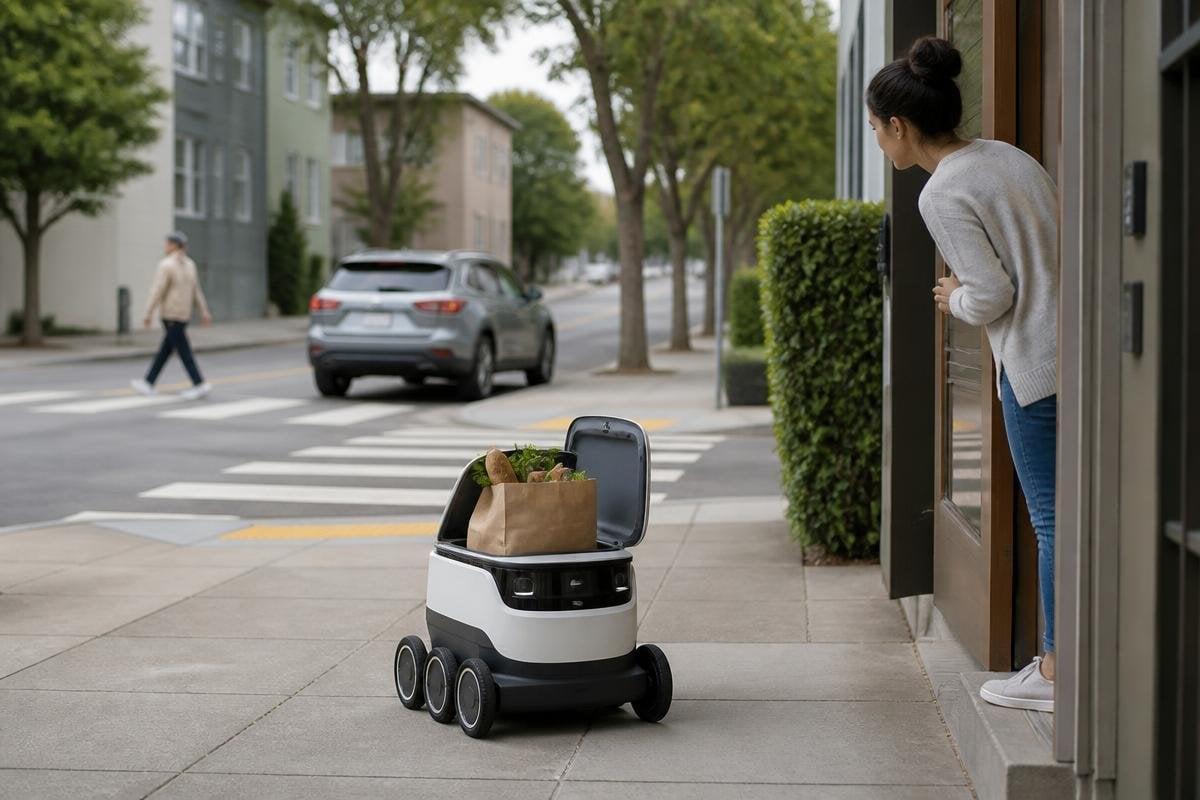
Understanding AI and its Evolution in 2026
The landscape of artificial intelligence (AI) has undergone remarkable transformations over the years, with 2026 witnessing a pivotal moment for the industry and society at large. As we move further into an era where AI technology is ubiquitous, understanding its foundations, key developments, and the emerging 18+ ai applications becomes increasingly essential. This insight not only empowers businesses and individuals but also prepares us for the evolving challenges and opportunities that AI presents. When exploring options, 18+ ai provides comprehensive insights into these evolving trends.
What is AI and How Does it Work?
Artificial Intelligence, often abbreviated as AI, refers to the development of computer systems that can perform tasks typically requiring human intelligence. These tasks range from visual perception and speech recognition to decision-making and language translation. AI operates through a combination of algorithms and large datasets, allowing machines to learn from experiences and improve over time. In 2026, the evolution of AI has led to more sophisticated neural networks and deep learning techniques, enabling systems to interpret complex patterns and make predictive analyses.
Key Developments in AI Technology
2026 marks a significant advancement in the algorithms driving AI, particularly in the realm of deep learning and natural language processing (NLP). Innovations such as reinforcement learning, where algorithms learn through trial and error, have become more prevalent. Furthermore, the integration of AI with quantum computing promises unprecedented processing power, enabling functionalities that were previously unimaginable. Key developments in AI technologies also include improved ethical frameworks and governance models, addressing some of the industry's critical concerns.
The 18+ ai Landscape: Current Trends and Predictions
As AI technology continues to evolve, the 18+ ai landscape is emerging as a critical component in various sectors, particularly in adult content, social media, and online interactions. This sector is beginning to leverage AI for personalized content recommendations, moderating user interactions, and enhancing user experience. Furthermore, predictions for the future indicate that AI will play a significant role in user-generated content, shaping the way adults engage with online platforms. In 2026, we expect to see more AI-driven tools that assist in content moderation, ensuring safer online environments.
Impact of 18+ ai on Different Industries
Healthcare: Transformative Changes through AI
AI's influence in healthcare is both profound and multifaceted, revolutionizing diagnostics, treatment plans, and patient care. In 2026, AI tools are widely utilized to analyze medical images, predict patient outcomes, and even assist in robotic surgeries. For instance, machine learning algorithms analyze vast datasets to identify patterns indicative of diseases, leading to earlier and more accurate diagnoses. Furthermore, AI-driven applications provide personalized treatment plans, adapting to individual patient needs and improving overall healthcare efficiency.
Finance: Enhancing Decision-Making with AI Tools
The finance industry has embraced AI to enhance decision-making processes. Algorithms analyze market trends, evaluate risks, and execute trades at lightning speed, providing investors with comprehensive insights and opportunities. In 2026, AI is integral to fraud detection systems, employing pattern recognition to identify suspicious transactions and protect against financial threats. Additionally, robo-advisors use AI to provide personalized investment advice based on individual user profiles, making investment strategies more accessible to the general public.
Entertainment: Changing Consumer Experiences with AI
AI is transforming the entertainment sector, particularly in content creation, curation, and recommendation systems. Streaming platforms leverage AI algorithms to analyze user behavior, crafting tailored content that enhances user experience. For example, AI-driven tools streamline the production process, automating tasks from scriptwriting to editing, resulting in faster turnaround times for new content. In 2026, we can expect even more sophisticated AI applications that create immersive experiences, such as virtual reality environments driven by AI.
Challenges and Considerations in Implementing 18+ ai
Common Misconceptions About AI
Despite its advancements, misconceptions about AI persist, affecting its adoption across industries. A prevalent misconception is that AI will replace human jobs entirely. While automation may shift certain job roles, AI is more about augmentation—enhancing human capabilities rather than replacing them. Organizations must navigate these misconceptions to foster a culture that embraces AI as a tool for innovation and improvement.
Ethical Considerations in AI Development
The rapid advancement of AI technologies raises significant ethical concerns that organizations must address. Issues surrounding privacy, data security, and algorithmic bias are paramount in the development process. Ethical AI frameworks are being established to ensure transparency and accountability in AI systems, reducing the risk of perpetuating discrimination or bias. In 2026, organizations must prioritize ethical considerations to build trust among users and stakeholders.
Strategies for Overcoming Implementation Barriers
Implementing AI in an organization can be met with resistance due to various barriers, including technical, cultural, and resource-related challenges. One effective strategy is to invest in training programs that equip employees with necessary AI skills, fostering a culture of innovation. Additionally, organizations should start with pilot projects to demonstrate AI’s impact, gradually scaling successful applications across the organization. Collaborative partnerships with AI experts can also facilitate smoother implementation processes.
Best Practices for Leveraging 18+ ai
Effective AI Integration within Organizations
To leverage AI effectively, organizations must have a clear strategy in place. This includes defining objectives, understanding the potential return on investment, and ensuring that AI initiatives align with overall business goals. Collaboration across departments is essential to identify areas where AI can deliver the most value, whether it be through operational efficiency or improved customer experiences.
Measuring Success and Performance Metrics
Success in AI implementation is measurable through specific performance metrics. Organizations should identify key performance indicators (KPIs) tailored to their AI initiatives, such as accuracy rates, user engagement levels, and cost savings. Regularly assessing these metrics allows businesses to adapt their AI strategies and maximize the benefits of technology.
Real-World Case Studies of Successful AI Applications
Learning from successful AI applications can provide valuable insights for organizations looking to implement similar strategies. For example, a leading healthcare provider utilized AI algorithms to predict patient admissions, enabling better staffing and resource allocation. Additionally, a financial institution integrated AI in its customer service operations, resulting in a 30% increase in satisfaction scores as customers interacted with personalized virtual assistants.
The Future of 18+ ai: What Lies Ahead?
Emerging Technologies and Their Potential Impact
As we look toward the future, several emerging technologies are poised to further shape the 18+ ai landscape. Quantum computing could drastically enhance processing capabilities, allowing for more complex AI models. Additionally, advancements in natural language understanding will lead to more intuitive and responsive AI systems, transforming how users interact with technology. The convergence of AI with IoT (Internet of Things) is also expected to create smarter ecosystems, further personalizing user experiences.
Predictions for AI in 2027 and Beyond
Predictions for AI in the coming years include increased regulation and standardization as societies grapple with the implications of widespread AI adoption. By 2027, we anticipate that ethical frameworks will be solidified, guiding the responsible development of AI technologies. Furthermore, adaptability will be key as industries continue to evolve in response to AI innovations, emphasizing the importance of ongoing education and upskilling within the workforce.
Preparing for an AI-Driven Future
Preparing for an AI-driven future involves fostering an organizational culture that embraces change and innovation. Stakeholders should invest in talent development and create opportunities for employees to engage with AI technologies. By building a workforce that understands and can leverage AI tools, organizations position themselves to thrive in an increasingly competitive landscape.
What are the benefits of using 18+ ai technologies?
The benefits of implementing 18+ ai technologies span across various sectors, including enhanced user experiences, improved efficiency, and more informed decision-making. AI can analyze vast amounts of data, providing insights that lead to better outcomes in customer engagement, operational processes, and market strategies.
How can businesses effectively implement AI?
For successful AI implementation, businesses should start small with pilot programs, prioritize employee training, and ensure alignment with overall business strategies. Collaboration across teams fosters innovation, allowing organizations to discover the most valuable applications for AI in their operations.
What ethical concerns are associated with AI?
Key ethical concerns in AI include data privacy, algorithmic bias, and accountability. Organizations must develop frameworks that prioritize ethical considerations to avoid perpetuating inequality and fostering mistrust among users.
What industries are most impacted by AI advancements?
Industries such as healthcare, finance, and entertainment are experiencing significant transformations due to AI advancements. These sectors utilize AI to streamline processes, enhance user experiences, and improve overall service delivery.
How does AI enhance decision-making processes?
AI enhances decision-making by providing data-driven insights and predictive analyses that inform strategic choices. By processing large datasets quickly, AI enables organizations to make more informed and timely decisions.